Onboarding
Artifice NYC, Inc. A 501(c)(3) curatorial research nonprofit working between creative science + new media.
Artifice NYC is a curatorial research nonprofit working between creative science and new media fictions. We produce immersive, site-specific showcases and open creative infrastructure (a public archive practitioners build and control), shaping how speculative practice and emerging technology define the way we live.
Sister vocabulary to open source and open access. The claim is methodological, not aspirational: curatorial process operating on documented principles.
Pair it with a noun: open curatorial principles, practice, method. Until open-curatorial-principles.md is drafted it is the category claim under the mission, never the lead in funder materials.
Artifice NYC is a 501(c)(3) curatorial research nonprofit working between creative science and new media fictions, producing immersive, site-specific showcases and open creative infrastructure (a public archive practitioners build and control) that shapes how speculative practice and emerging technology define the way we live.
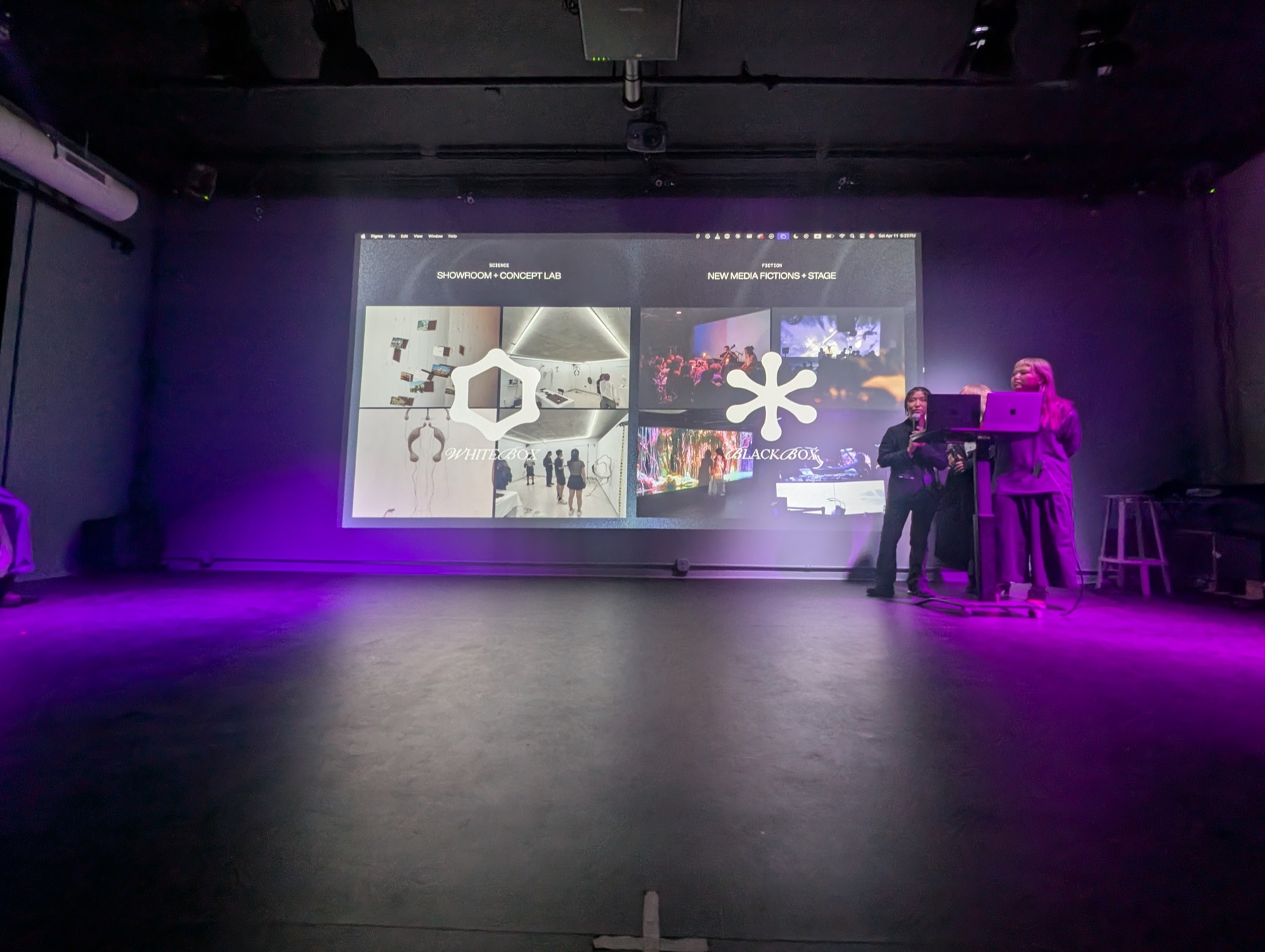
Most experimental work reaches the public already finished: the process folded away, the false starts cut, the decisions that mattered left out. Artifice shows the rest of it. In Chapters and nodes, work appears while it is still being figured out: in the lab, where the making stays in view (WHITEBOX), and on the stage, where you meet it before anyone explains it (BLACKBOX). We use science fiction as a method, studying the technology already arriving through the futures we imagine for it. A piece might begin as something on a screen and become a room you walk through; the people who made it record that passage in the Artifact Index, deciding what it includes and how it is held.
Decided 2026-09-08: the format is the through line, not the series. A program is conceived as a WHITEBOX and BLACKBOX pairing first, and is not required to belong to a numbered run.
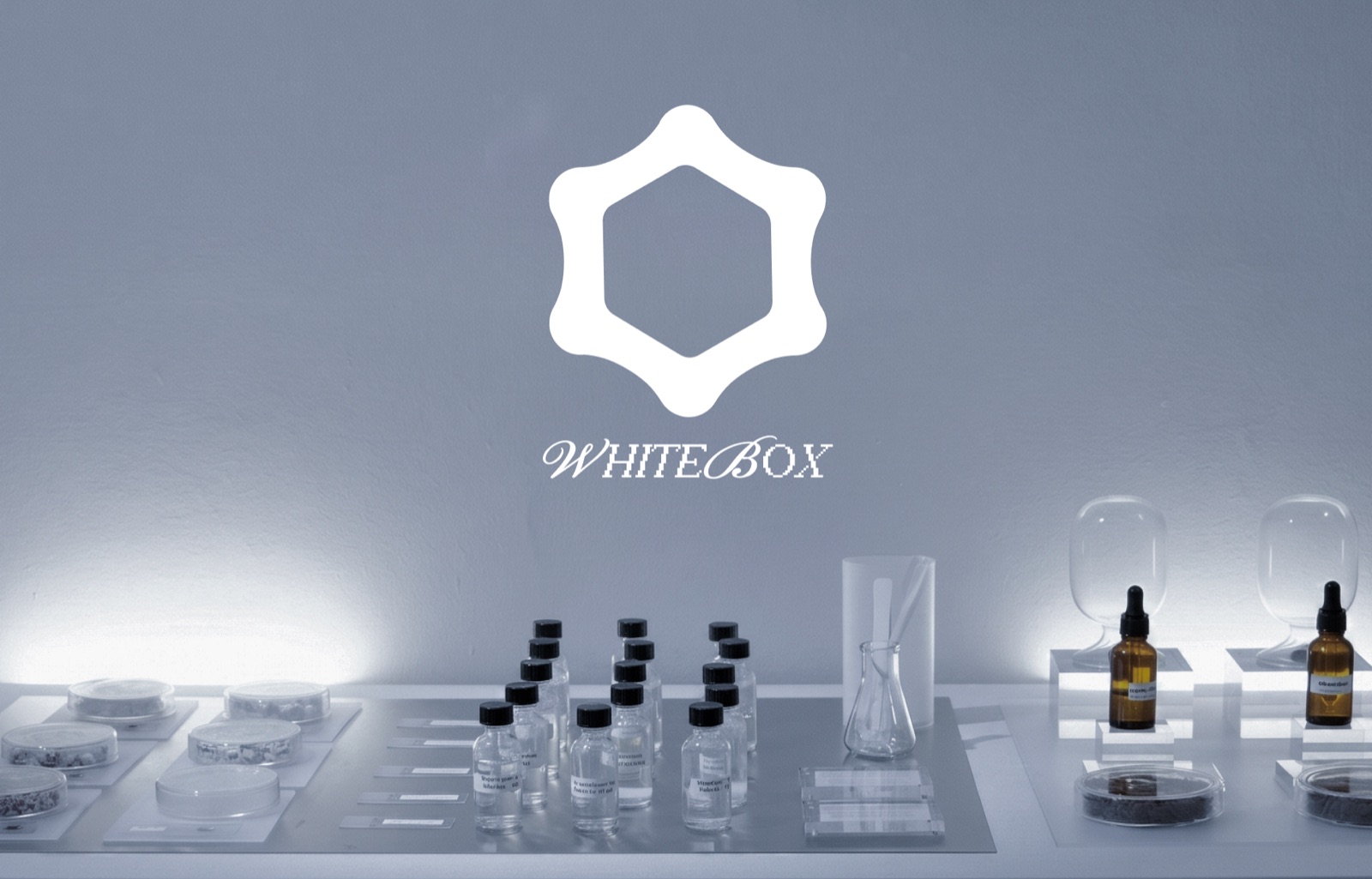
Work in development, shown while it is still being made. Rigs stay visible, materials stay labeled, and the maker is usually in the room. Even light, no blackout. Said in public as the lab.
Positioned to science labs, foundations and research institutions as a format for inquiry, experimentation, documentation and knowledge exchange.
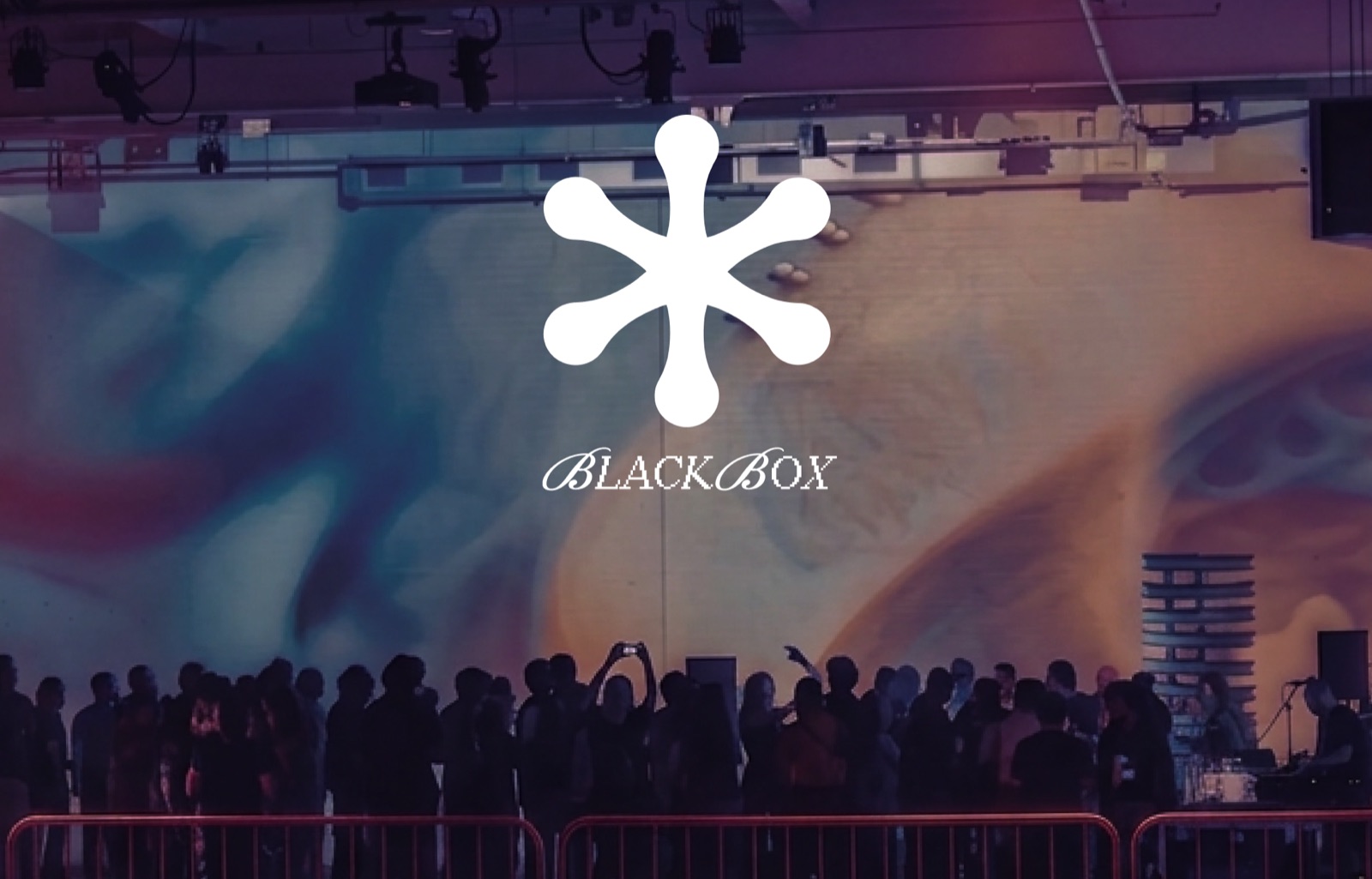
Finished work on a schedule. Performance, film and installation, run for an audience that arrives at a set time. Blackout, sound, projection. Said in public as the stage.
Positioned to new media, venture and creative tooling industries as a format for performance, demonstration, prototyping and public encounter.
The split is about what an audience is shown, not about medium or venue: the same artist, the same materials and the same room can be either. Every Artifice presentation is one or the other, and a Chapter pairs them inside a single visit so audiences move from process to performance without leaving the narrative — which is what separates Artifice from a gallery. A work can move between the two across programs. It is filed under whichever format it was presented in, one at a time.
Programming moves from series to freeform programs, with WHITEBOX and BLACKBOX as the signature format. [ ENTER ] is untouched by the decision.

Performance-forward conceptual and narrative showcase.

Research-forward development and demo showcase.
![[ ENTER ]](/img/programs/enter.jpg)
Process-forward newsletter on a relevant artifact. Segues into an IRL meetup focused on artifact crit.
Neither series is retired, deleted or renamed. Both keep their folders, their blueprints and their history exactly where they are — “for now” is part of the decision, not a hedge on it. Artifice 006 at Amant, January 29 to February 26 2027, is also not addressed; its status is open.
Artifice runs a lab and a stage for artists working with technology, and keeps a public record of how the work gets made.
If a member says it wrong and it still lands, it is working.
Artifice is a 501(c)(3) curatorial research organization shaping and linking artifacts through science fiction.
We have a taxonomy surplus, not a taxonomy problem.
the lab · the stage · the record
The gate: if a term needs brand.artificenyc.org to be understood, it does not go in a press release, an intro email, or someone’s mouth. Program names surface publicly only attached to a concrete thing (an event, an issue, a work), never as an org explainer.
Three days, five simultaneous zones, 20 artifacts, 176 checked in against 394 RSVPs, $2,408.41 revenue split 50/50 with the venue partner. The Scale band in the nodes: Blueprint is derived from it because it is the only edition with a complete record.
Duties are quoted from Article VI, which is what an office means here. Who holds each one is current as of 2026-09-15 and has not caught up with the instrument — the gap is on the slide, below.

The Board has not defined this office, so there are no duties to quote.
Officers are elected by the Board (§VI.2), so every row here wants a resolution and a registry update from the Secretary before it is the record. artificenyc.org/about still publishes the bylaws column. With the Vice Chair seat vacated and no Chair appointed, the Executive Director presides (§VI.7).
Roles are fixed; names are open until filled.
drive_key is the join. An Asana task carries exactly one, in its Drive Key field. Resolve by key or id, never by name or path.
One canonical asset per format, mark and cursive together, straight from brand.artificenyc.org.
 logo.svg
 lockup.svg
 wb-icon.svg
 bb-icon.svg
Every typed note carries entity: nonprofit or shared. If you cannot say which, stop and ask.
States what is true and when it became true.
An imperative sentence gets read by the next agent as a task it is supposed to do, and the same work gets attempted every session. The missing entity tag is the second bug.
A rule without its mechanism gets rationalized away.
There are few instruction files and you do not edit them casually.
the-map.png in 00_Start Here/, and the-map-global.png for the whole vault.
_kb/CONVENTIONS.md. Ten rules, each with its reason.
Find the board matching the folder you will work in. The numbers match: 02_Operations in Drive is 02 | Operations in Asana.
Anything ambiguous, before you file it.
If a document disagrees with tree.yaml about where something lives, the tree wins.